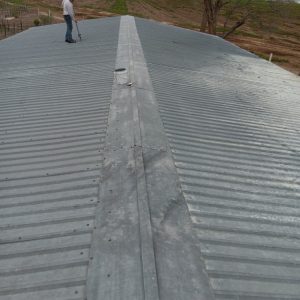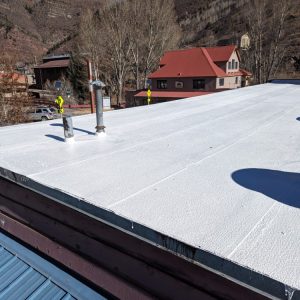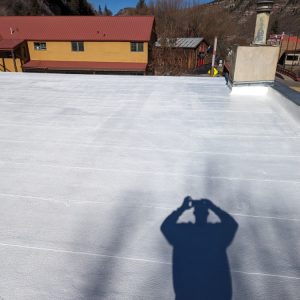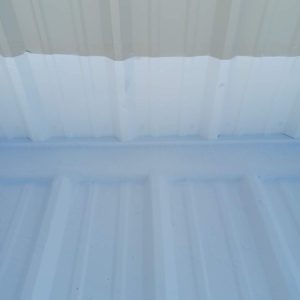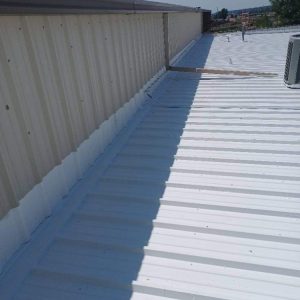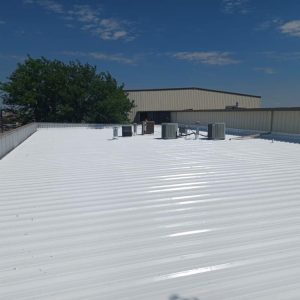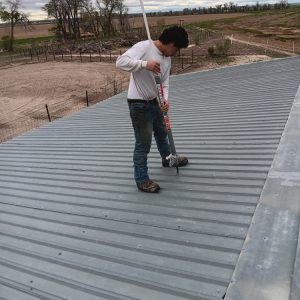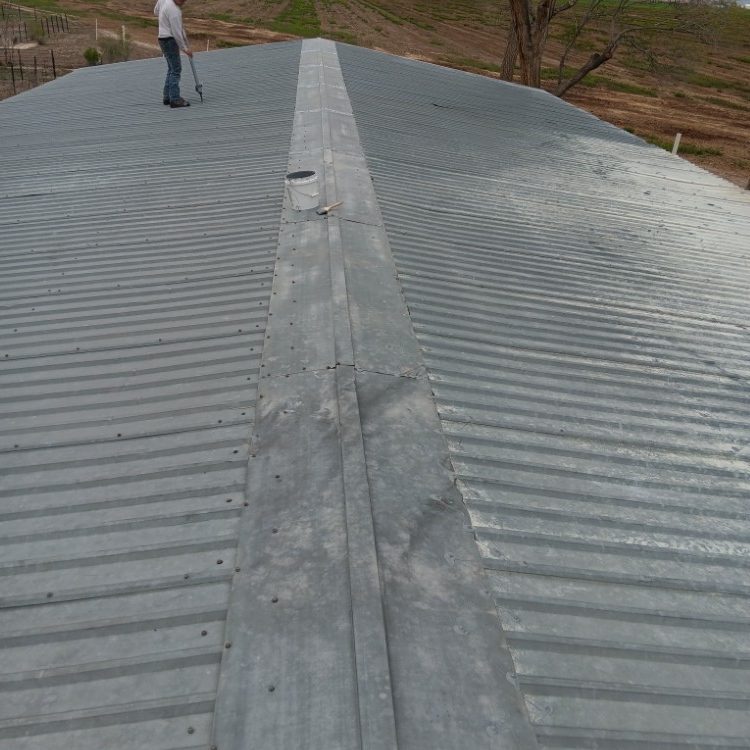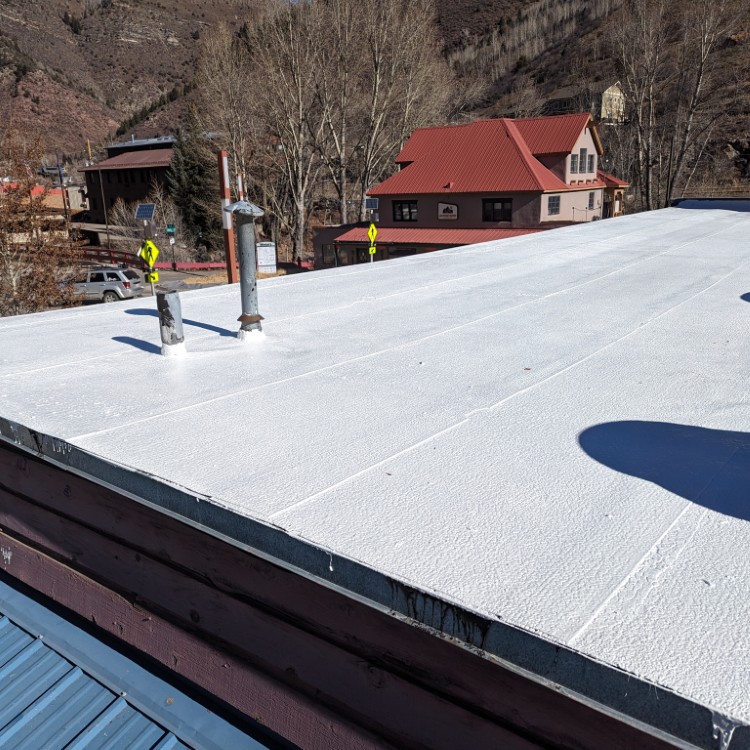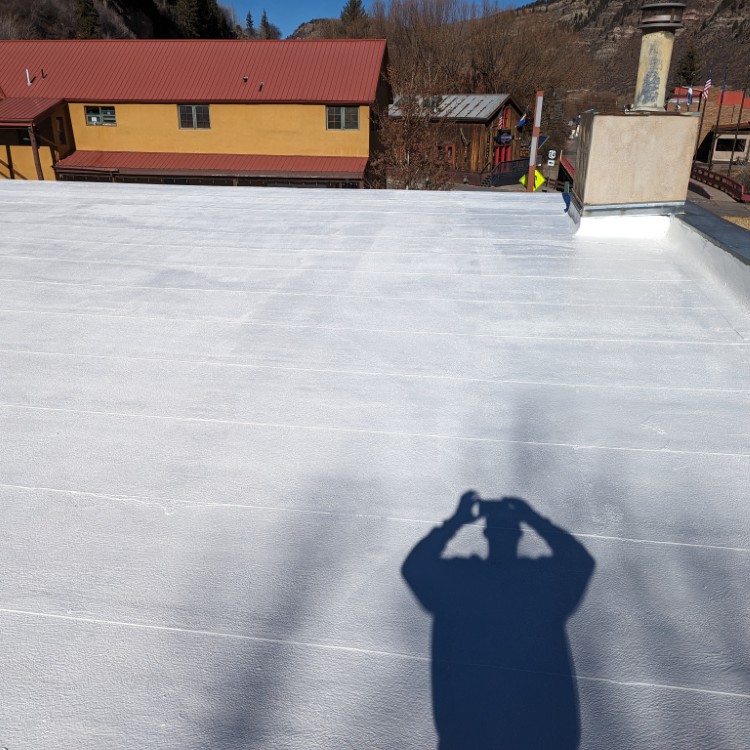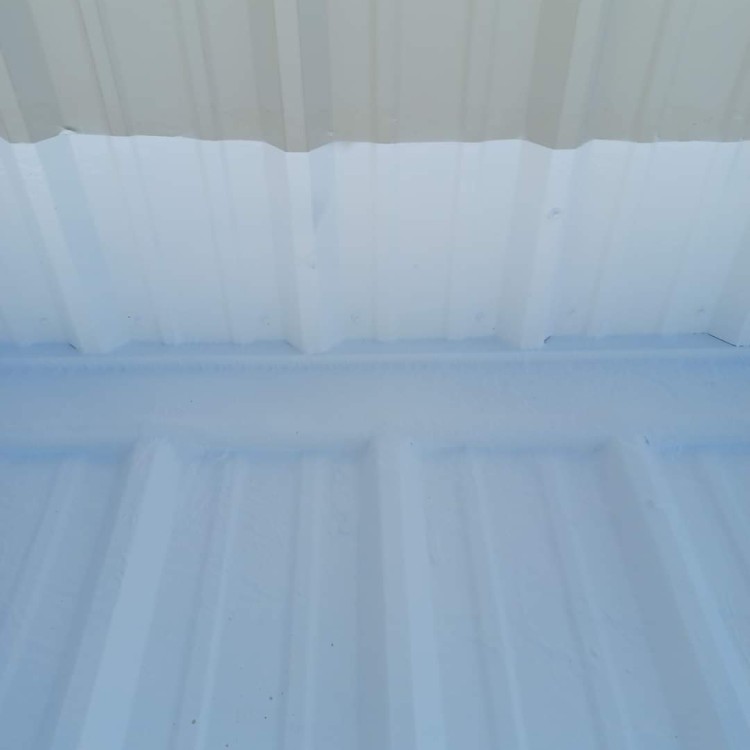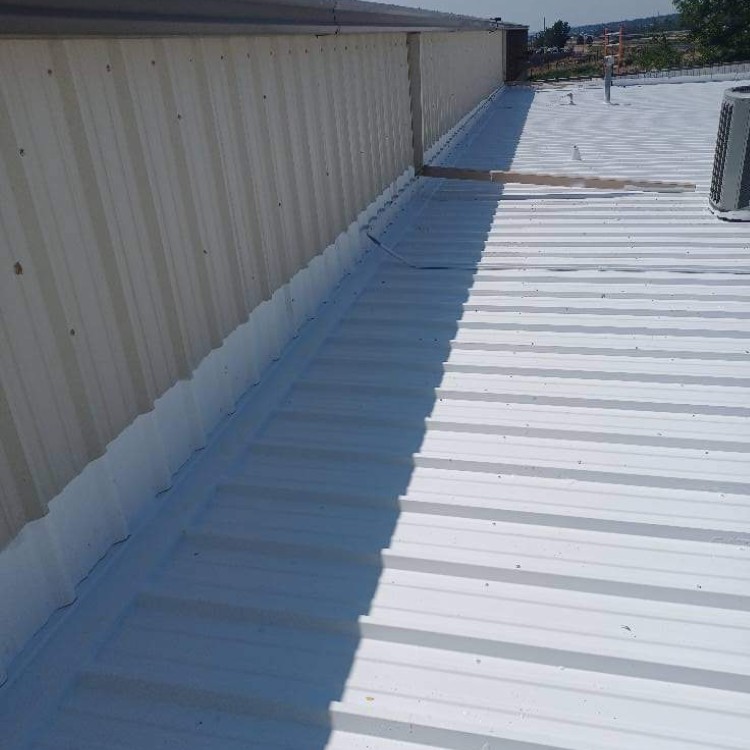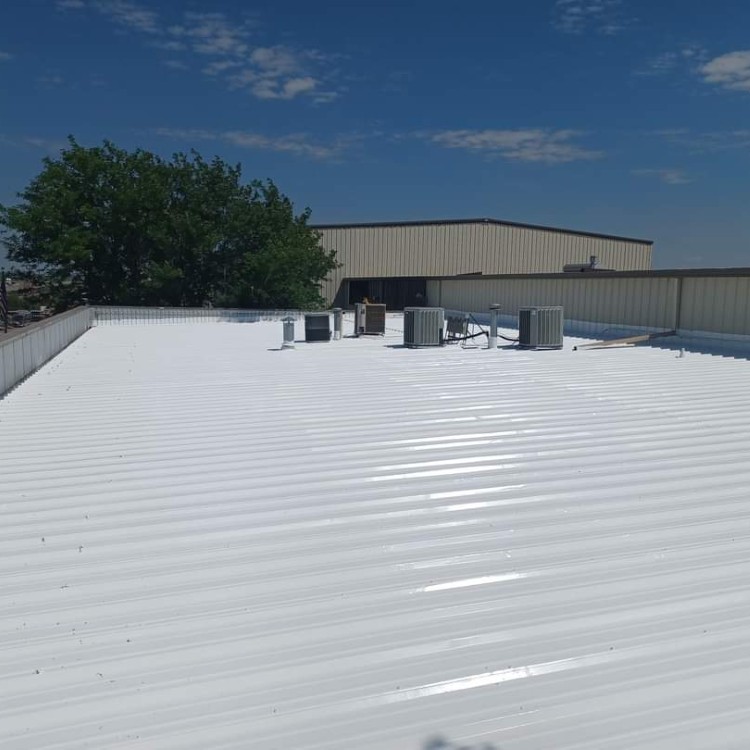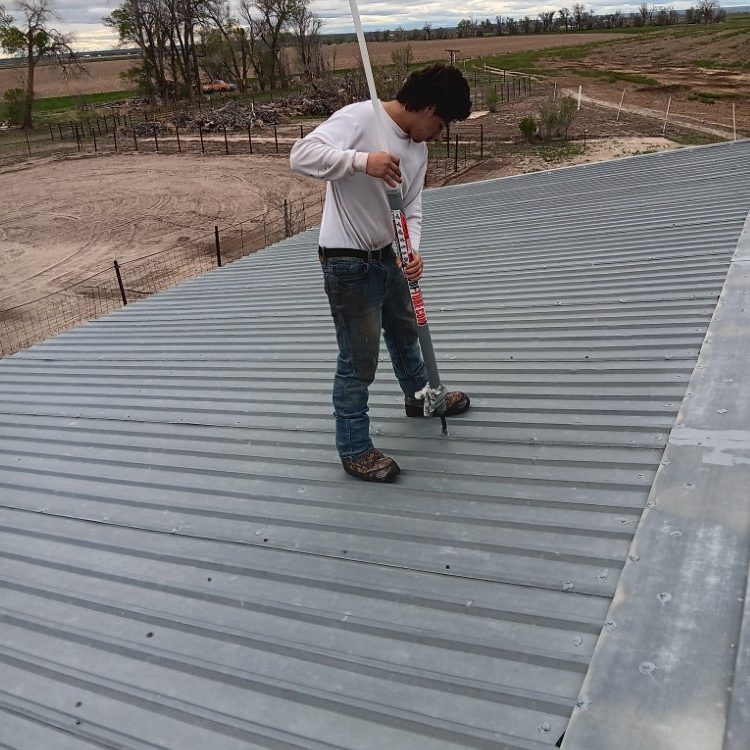
Enhancing Durability With Premium Fluid Applied Coatings
Pros of Silicon Coating
- Cost-Effectiveness: Acrylic coatings are generally less expensive than silicone, making them a budget-friendly option for initial application.
- Ease of Application: Acrylic coatings are easy to apply and can often be rolled or sprayed on, which can save on labor costs.
- Excellent UV Resistance: They provide good protection against UV rays, helping to prevent degradation of the roofing material beneath.
- Color Options: Acrylic coatings come in various colors, allowing for aesthetic customization and increased reflectivity depending on the color chosen.
- Quick Drying: Acrylic coatings typically dry faster than silicone, reducing downtime during application. Good Adhesion: They adhere well to various substrates, making them versatile for different roofing materials.
- Water-based: Being water-based, acrylic coatings are easier to clean up and are generally safer to handle during application.
- Conclusion: Both silicone and acrylic coatings offer distinct advantages for commercial roof protection. The choice between them often depends on specific project needs, budget constraints, and environmental considerations. Selecting the right coating can significantly enhance the roof’s lifespan and overall performance.
Pros of Acrylic
- Cost-Effectiveness: Acrylic coatings are generally less expensive than silicone, making them a budget-friendly option for initial application.
- Ease of Application: Acrylic coatings are easy to apply and can often be rolled or sprayed on, which can save on labor costs.
- Excellent UV Resistance: They provide good protection against UV rays, helping to prevent degradation of the roofing material beneath.
- Color Options: Acrylic coatings come in various colors, allowing for aesthetic customization and increased reflectivity depending on the color chosen.
- Quick Drying: Acrylic coatings typically dry faster than silicone, reducing downtime during application. Good Adhesion: They adhere well to various substrates, making them versatile for different roofing materials.
- Water-based: Being water-based, acrylic coatings are easier to clean up and are generally safer to handle during application.
- Conclusion: Both silicone and acrylic coatings offer distinct advantages for commercial roof protection. The choice between them often depends on specific project needs, budget constraints, and environmental considerations. Selecting the right coating can significantly enhance the roof’s lifespan and overall performance.
Frequently Asked Questions
A fluid applied roof coating is a liquid material formulated to be applied directly over an existing roof surface. Once it cures, it forms a continuous, seamless membrane that covers the entire structure. This method is often used to add an extra layer of protection to buildings.
Our main focus is on high-end epoxy systems. We utilize premium Leggari products to provide durable coatings for various applications, including floors, concrete overlays, and remodeling projects, alongside our protective roof coating services.
Yes, fluid-applied coatings and our premium epoxy systems are designed to accommodate both private residences and commercial structures. They are adaptable to a wide variety of architectural layouts and building sizes.
The duration of the application process varies depending on the size of the project and the specific type of coating being used. Preparation, application, and curing times are all factors that will be discussed during the initial project consultation.
In many cases, a fluid-applied roof coating can be installed directly over the existing substrate without the need for a full tear-off. However, a thorough inspection is required to determine the condition of the current structure before proceeding.
Reviews API not configured.
Contact Us Today
We’re Ready To Help
[jotform_script]
Request an Appointment to Learn More!
Schedule your consultation in just a few clicks!
Our Work